- Tel: +86 13451474678 / 13451474678
- Email: / hbzinanmech@gmail.com


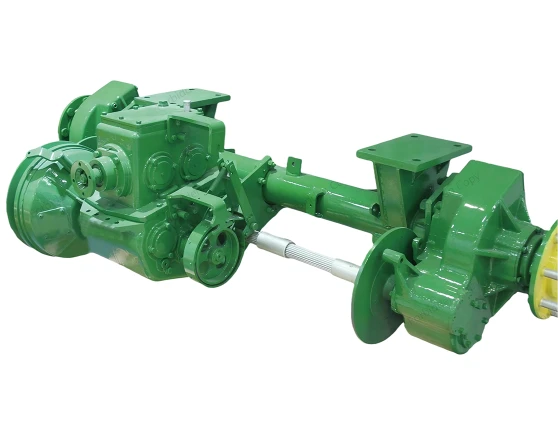
speedometer gear drive
In the high-octane world of circle track racing, milliseconds translate to victory margins. Every component must operate in perfect harmony, especially the drivetrain. At the heart of this system lies the circle track drive shaft , a critical link transferring explosive power from the engine to the wheels. Yet, even microscopic imbalances in this component can trigger catastrophic vibrations, destroying bearings, fracturing housings, and compromising control at critical speeds. This is where precision balancing technology becomes non-negotiable. Zinanmech embodies resilience and innovation in global agriculture and machinery. Like a tough seed deeply rooted in fertile soil, we thrive on the principle of "Science and technology to promote agriculture, Zinan is at your side." We bridge global markets, introducing world-leading agricultural machinery to China and exporting high-quality Chinese innovations worldwide, steadfastly supporting global agricultural modernization. Our commitment is unwavering: rigorous quality inspections ensure every product meets international standards. If a quality-related failure occurs during the warranty period, we promptly repair or replace parts, guaranteeing your equipment’s optimal operation. This dedication to excellence extends to our specialized balancing solutions for high-performance drivetrains. The Critical Role of the Circle Track Drive Shaft in Racing Performance The circle track drive shaft is the unsung hero of oval racing. Subjected to extreme torsional stress and rapid acceleration/deceleration cycles, its integrity is paramount. An unbalanced drive shaft creates harmonic vibrations that resonate through the chassis. At 7,000 RPM, even a 5-gram imbalance can generate destructive forces exceeding 200 pounds. These vibrations accelerate wear on transmission mounts, differential carriers, and wheel bearings, leading to premature failure. Worse, they destabilize the vehicle during cornering, where control is most crucial. Precision balancing mitigates these risks. Modern dynamic balancing machines, like those championed by Zinanmech, measure imbalance in multiple planes (static and couple), often achieving tolerances under 0.5 gram-inch. This process involves spinning the shaft at operational speeds, using advanced sensors to pinpoint imbalance location and magnitude. Corrections are made by strategically adding weights (welded or adhesive) or removing material (drilling). For circle track applications, balancing isn't a luxury—it’s a fundamental requirement for safety, component longevity, and maintaining the delicate handling balance needed to hug the inside line lap after lap. Optimizing the Rear Drive Axle for Enhanced Durability and Efficiency The rear drive axle is the final fortress of power delivery. In circle track cars, it withstands immense lateral loads during constant left turns and brutal torque transfer during restarts. Imbalances originating from the drive shaft or within the axle assembly itself magnify these stresses. Key components like ring and pinion gears, axle shafts, and hubs suffer accelerated pitting, brinelling, and fatigue fractures when subjected to persistent vibration. Zinanmech’s focus extends beyond balancing machines to the axles themselves, incorporating advanced designs like our R-Series platforms (R88, R98, R108), engineered for resilience: Feature Benefit Monolithic Housing Design Integral housing provides superior strength and precision machining, enhancing durability, simplifying assembly/maintenance, and ensuring reliability in extreme racing conditions. Wet Friction Plate Steering System Ensures consistent, reliable steering performance with extended service life, even under high thermal and mechanical stress during prolonged cornering. Hydraulic Cylinder-Assisted Steering Reduces driver effort significantly, enabling precise, responsive control during high-speed cornering and low-speed maneuvering, enhancing driver comfort and lap-time consistency. Balancing the circle track drive shaft connected to these robust axles is critical. A balanced shaft ensures smooth power flow, preventing vibration-induced damage to the axle’s precision gears and bearings, maximizing the lifespan and performance of the entire rear drive axle system. Balancing Challenges and Solutions for the Chain Drive Rear Axle While less common than solid axles in modern circle track racing, chain drive rear axle systems persist in some sprint cars and modifieds. These systems present unique balancing challenges. The drive chain itself can introduce high-frequency vibrations as individual links engage and disengage with sprockets. Furthermore, the secondary shaft driving the chain requires meticulous balancing, as any imbalance is amplified by the chain’s action, creating a "whip" effect that strains mounts and bearings. Balancing a chain drive rear axle system demands a holistic approach: Primary Drive Shaft Balancing: The main circle track drive shaft must be balanced to ultra-fine tolerances. Counter Sprocket/Jackshaft Balancing: The shaft carrying the drive sprocket needs dynamic balancing, often requiring specialized fixtures to simulate chain tension. Chain Selection & Maintenance: Using high-quality, pre-stretched chains and maintaining optimal tension minimizes inherent vibration sources. Zinanmech’s balancing technology addresses these complexities. Machines equipped with high-resolution phase analysis can isolate imbalances even in the presence of chain-induced noise. Fixturing solutions allow secure mounting of jackshaft assemblies. The goal is to ensure the inherent efficiency and adjustability advantages of a chain drive rear axle aren't overshadowed by vibration-induced failures or performance loss. F AQ s About Our Drive Shaft Balancing Solutions Why is balancing critical for a circle track drive shaft? Balancing eliminates destructive vibrations inherent in high-RPM operation. An unbalanced circle track drive shaft acts like a jackhammer inside the drivetrain, causing accelerated wear on transmission components, differential gears, bearings, and chassis mounts. This leads to catastrophic failures and compromises vehicle stability, especially during high-G cornering. Precise balancing ensures smooth power transfer, maximizes component lifespan (saving costly replacements), enhances driver control by eliminating chassis shake, and contributes directly to consistent lap times by maintaining optimal drivetrain alignment and reducing parasitic power loss caused by vibration damping. How does your machine benefit a heavy-duty rear drive axle? Our advanced balancing systems are specifically calibrated for the mass and rotational speeds of components within robust rear drive axle assemblies. Imbalance in axle shafts, pinion flanges, or companion flanges creates localized stress points, leading to bearing brinelling, gear tooth pitting, and housing fatigue cracks. By achieving precise balance, we significantly extend the service life of these expensive, hard-working components. This reduces downtime for repairs, lowers total cost of ownership, and ensures the axle consistently delivers power efficiently and reliably under the extreme loads encountered on the track. It directly protects your investment in high-performance axles. Can you balance components for a chain drive rear axle setup? This includes balancing the primary drive shaft, the jackshaft/countershaft assembly (often requiring simulation of chain load tension during balancing), and ensuring sprockets are true. We understand the high-frequency vibrations chain drives can generate and utilize filtering techniques in our advanced balancing machines to isolate and correct genuine mass imbalances accurately. This comprehensive approach minimizes chain whip, reduces stress on mounting points and bearings, and ensures smoother, more reliable power transmission throughout the entire chain-driven system. What accuracy levels does your balancing circle track drive shaft technology achieve? Our state-of-the-art dynamic balancing machines achieve exceptional precision, routinely reaching residual imbalance levels below 0.5 gram-inch (often exceeding ISO G1.0 standards) for circle track drive shaft applications. This high resolution is crucial for racing components operating at sustained high RPMs. The machines feature advanced digital signal processing, high-sensitivity sensors, and user-friendly software that provides clear graphical displays of imbalance magnitude and angular position. This level of accuracy ensures vibrations are reduced to imperceptible levels, maximizing performance, safety, and component longevity even under the most demanding track conditions. What support comes with your balancing service or rear drive axle equipment? Zinanmech stands firmly behind our products and services with our core commitment: "Science and technology to promote agriculture, Zinan is at your side." For balancing services, we provide detailed imbalance reports and certifications. For machine purchases, we offer comprehensive installation, operator training, and ongoing technical support. Crucially, all our equipment and services are backed by our stringent quality assurance promise. Should any issue arise due to a quality defect within the warranty period, we act swiftly to repair or replace components, minimizing your operational disruption. We are partners in your performance journey, ensuring your rear drive axle and circle track drive shaft operate flawlessly. In the relentless pursuit of circle track victory, overlooking drive shaft and axle balancing is a gamble no serious competitor can afford. Vibrations are silent killers, eroding performance, destroying costly components, and jeopardizing safety. Zinanmech provides the technological edge and unwavering reliability needed to conquer this challenge. From the brute strength of our monolithic rear drive axle housings to the micron-level precision of our balancing solutions, every innovation is driven by our mission: empowering global agriculture and high-performance industries through science, technology, and uncompromising quality. Whether you're battling for the lead on dirt or asphalt, ensure your drivetrain foundation is solid. Trust Zinanmech for balance, durability, and the power to win. Invest in precision—where every gram and every revolution counts.
-
0YEARS IN THE FIELD
-
0 KEXPERIENCED STAFFS
-
-
-
0 kACCOMPLISHED PROJECT
-
0SATISFIED CLIENTS
-
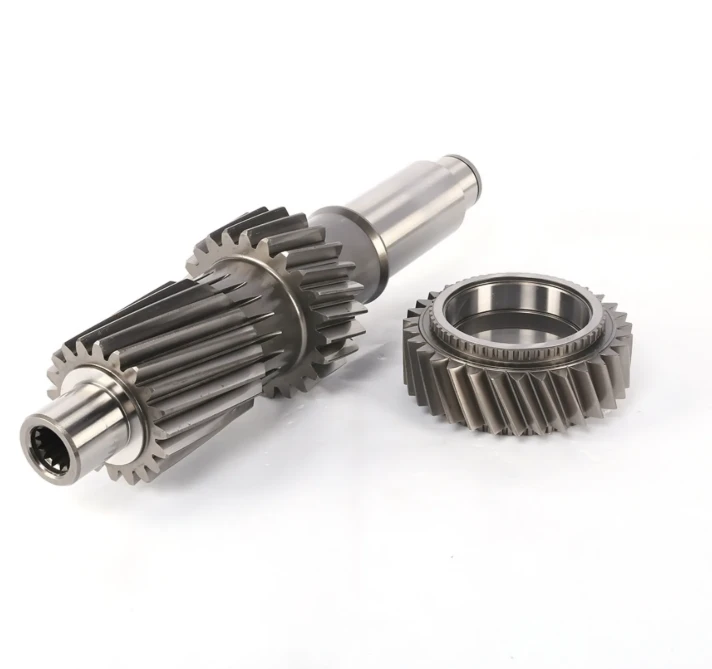
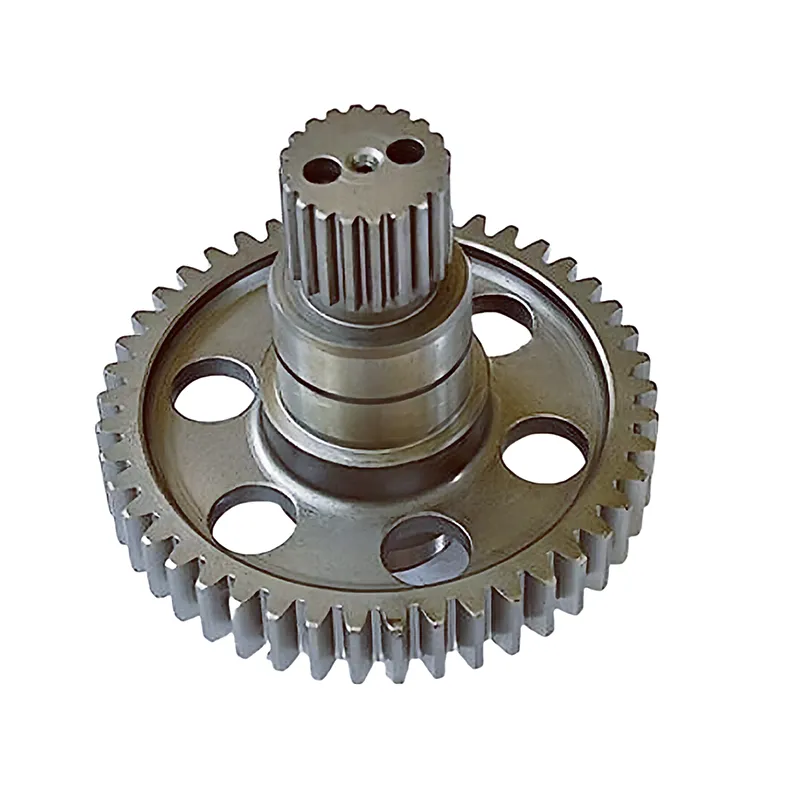
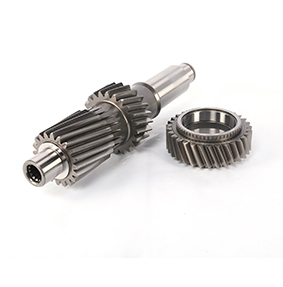
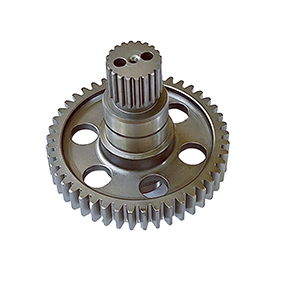
01The Application of Agricultural Machinery Gears In The IndustryAgricultural machinery gears are widely used in the agricultural machinery industry. In tractors, gears are applied to the transmission system. They can transmit the power from the engine to the wheels and achieve different speeds and torques through different gear combinations, so as to adapt to various working conditions such as plowing and transportation.
-
02Application of ComponentsIn agricultural machinery, the gearbox is mainly used to change the transmission ratio. Taking a tractor as an example, when the tractor needs to drive slowly in the field to cultivate the land and other operations, the gearbox can transmit the power of the engine through a lower transmission ratio, thereby outputting a larger torque to ensure that the agricultural machine has enough power to drive the agricultural implement for deep farming and other operations.
-
03Application of Agricultural MachineryField operations: Tractors are one of the most important power machines in agricultural production. In cultivated land operations, it can use powerful power to drive ploughshares to till the land by mounting ploughs to turn, break and level the soil, creating good soil conditions for sowing. For cultivator operations, it can mount cultivators to perform operations such as weeding, loosening and soil cultivation during crop growth to promote the growth of crop roots and nutrient absorption.
International layout
Spread all over the world
Our agricultural machinery products have won wide recognition and trust in the global market, and our sales network covers many countries and regions.






-
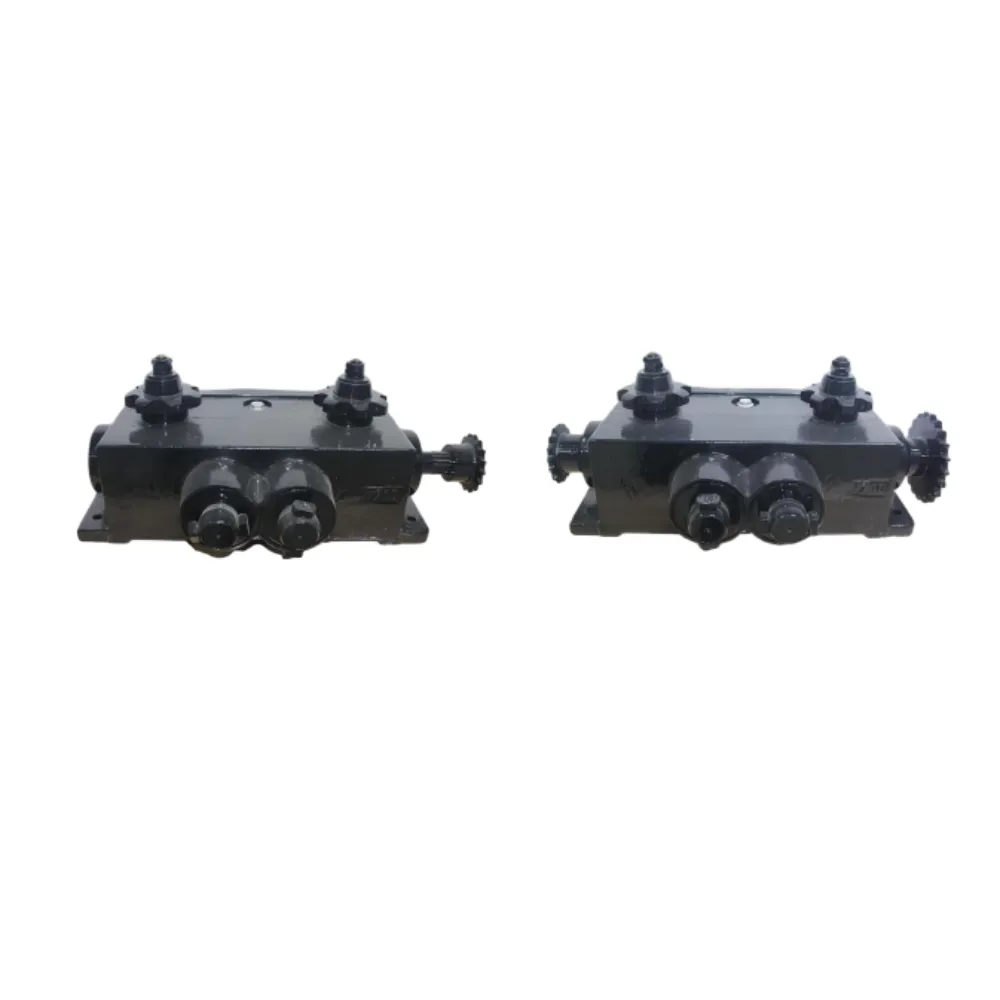
2026-04-05 01:18Pneumatic High-Speed Seeder - Zinan Technology _ Precision, Speed, VersatilityIn the rapidly evolving world of agriculture, Pneumatic High-Speed Seeder has emerged as a transform>
-
2026-04-05 01:09Pneumatic High Speed Seeder-Zinan Technology_Air-Blown Seeding,High-Speed FarmingThe Pneumatic High Speed Seeder represents a significant advancement in agricultural technology, des>
-
2026-04-05 00:05Top Seed Drill Suppliers & Manufacturers – Durable Shafts SolutionsSeed Drill Suppliers: Trends, Technology, Manufacturer Comparison & Application Insights Industry Ov>
Sign up
for Newsletter
Subscribe to the weekly newsletter for all the latest updates